
Welcome to Aftermarket Report, a newsletter where we do a quick daily wrap-up of what happened in the markets, both in India and globally.
What data points and transformations do you want to see?
We’re trying out a new format for the Aftermarket Report, with much more comprehensive coverage of the data that shapes the trading day.
Beyond the headline indices, we’re now tracking market breadth, new highs and lows, sector and thematic performance, delivery data, F&O positioning, global markets, commodities, flows, and more. We’re also looking at ways to transform this raw data into insights that are actually useful for traders and investors.
The idea is simple: bring different datasets together in one place to give you a clearer picture of what’s happening beneath the surface of the market.
This is still a work in progress, and we’d love your feedback. What data points are we missing? What transformations, ratios, comparisons, or indicators would you find useful? Also tell us what worked, what didn’t, and what felt unnecessary.
Your feedback will help shape the Aftermarket Report from here.
Markets Today
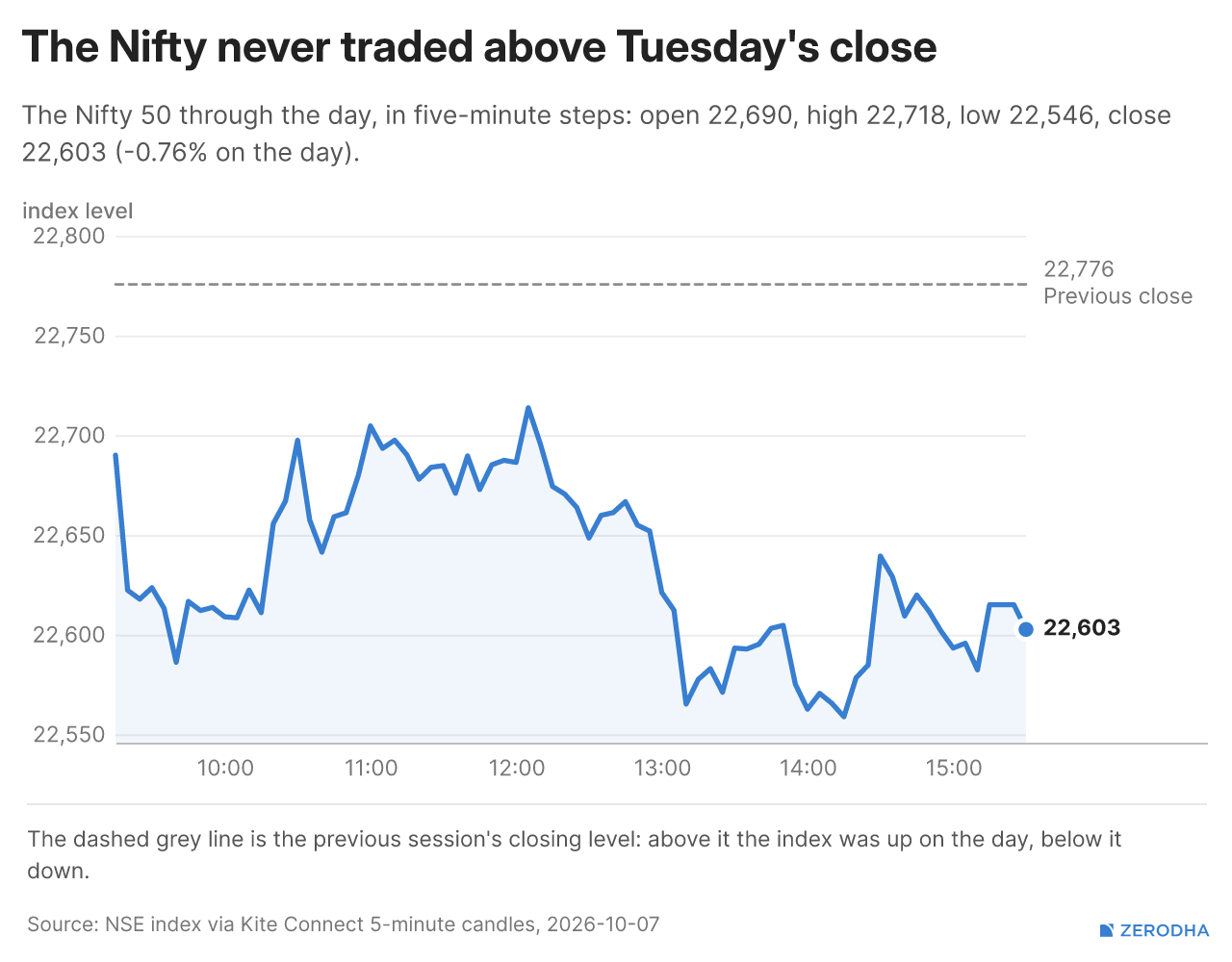
Nifty opened with an 86-point gap down at 22,690, ahead of the RBI policy outcome at 10 AM. The index remained volatile in the opening hour, initially slipping towards 22,580 before recovering sharply after the policy announcement. Buying pushed Nifty above 22,700, with the index briefly testing 22,715 around noon. However, the recovery failed to sustain, and selling pressure gradually returned.
Weakness intensified after 12:30 PM, with Nifty falling sharply below 22,600 and touching an intraday low near 22,550 shortly after 2 PM. A strong recovery followed, taking the index back towards 22,640 around 2:30 PM, but the rebound again lost momentum. Nifty remained volatile through the final hour and eventually closed at 22,603.05, around 87 points below its opening level and nearly 110 points off the day’s high, as the post-policy recovery was completely erased.
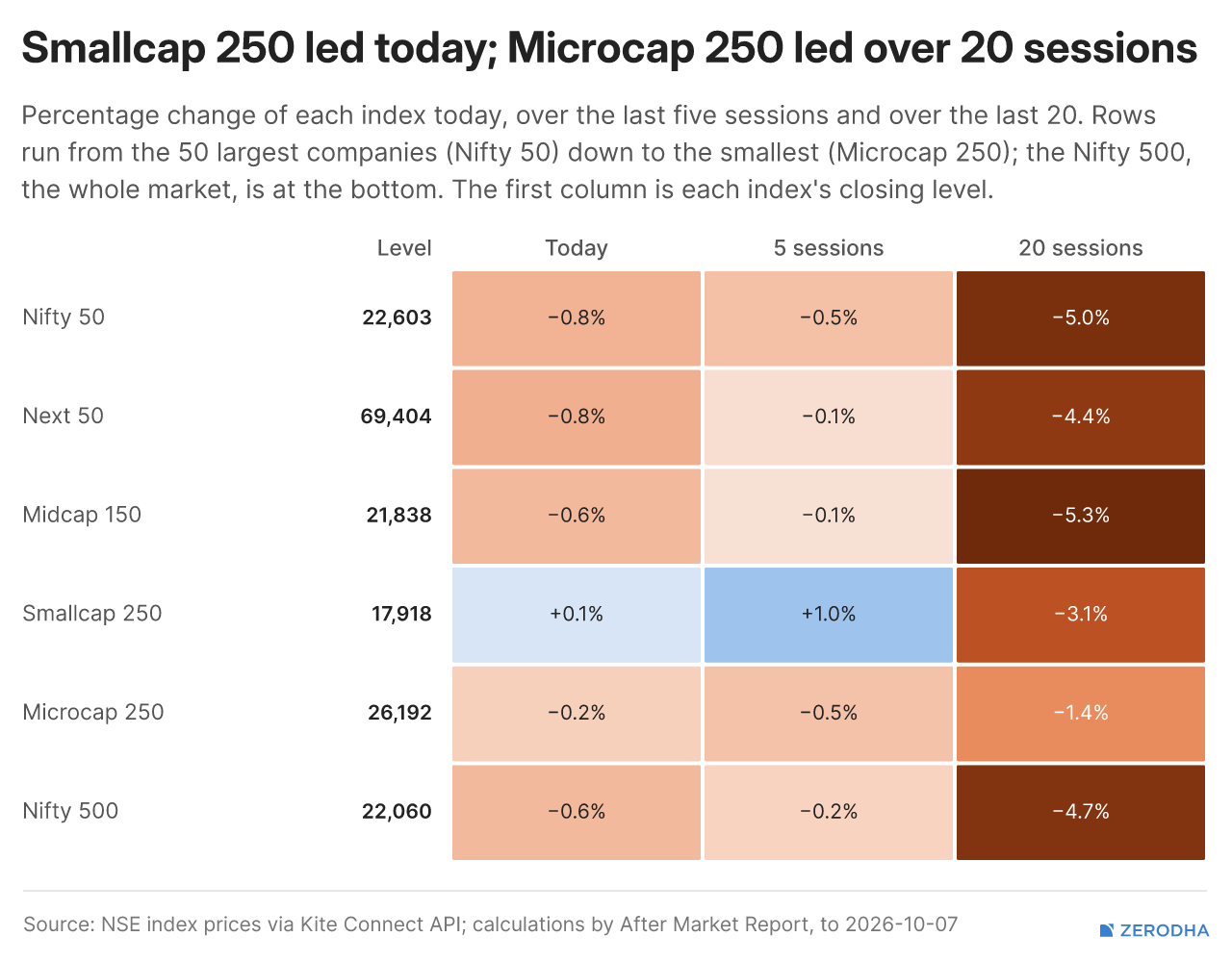
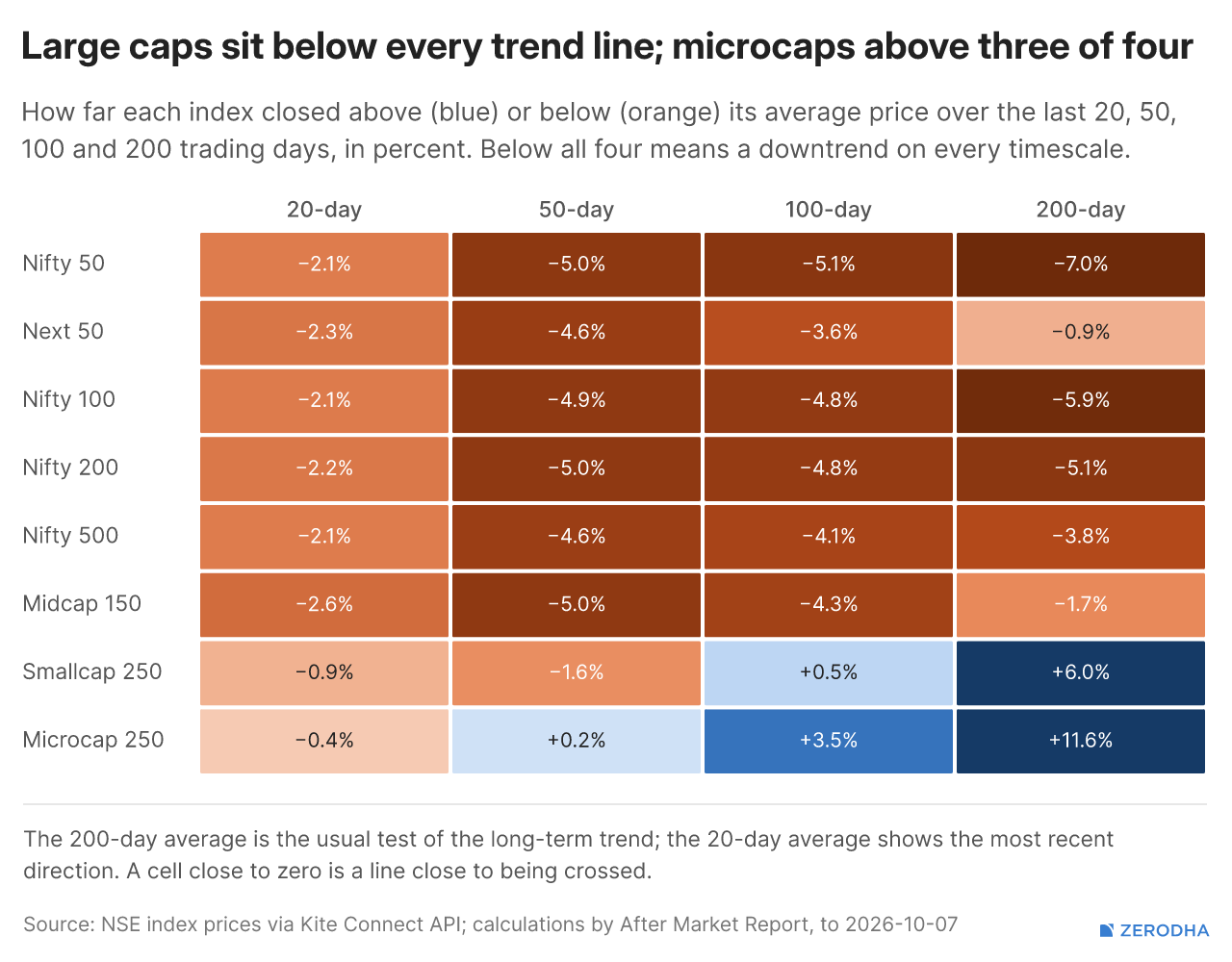
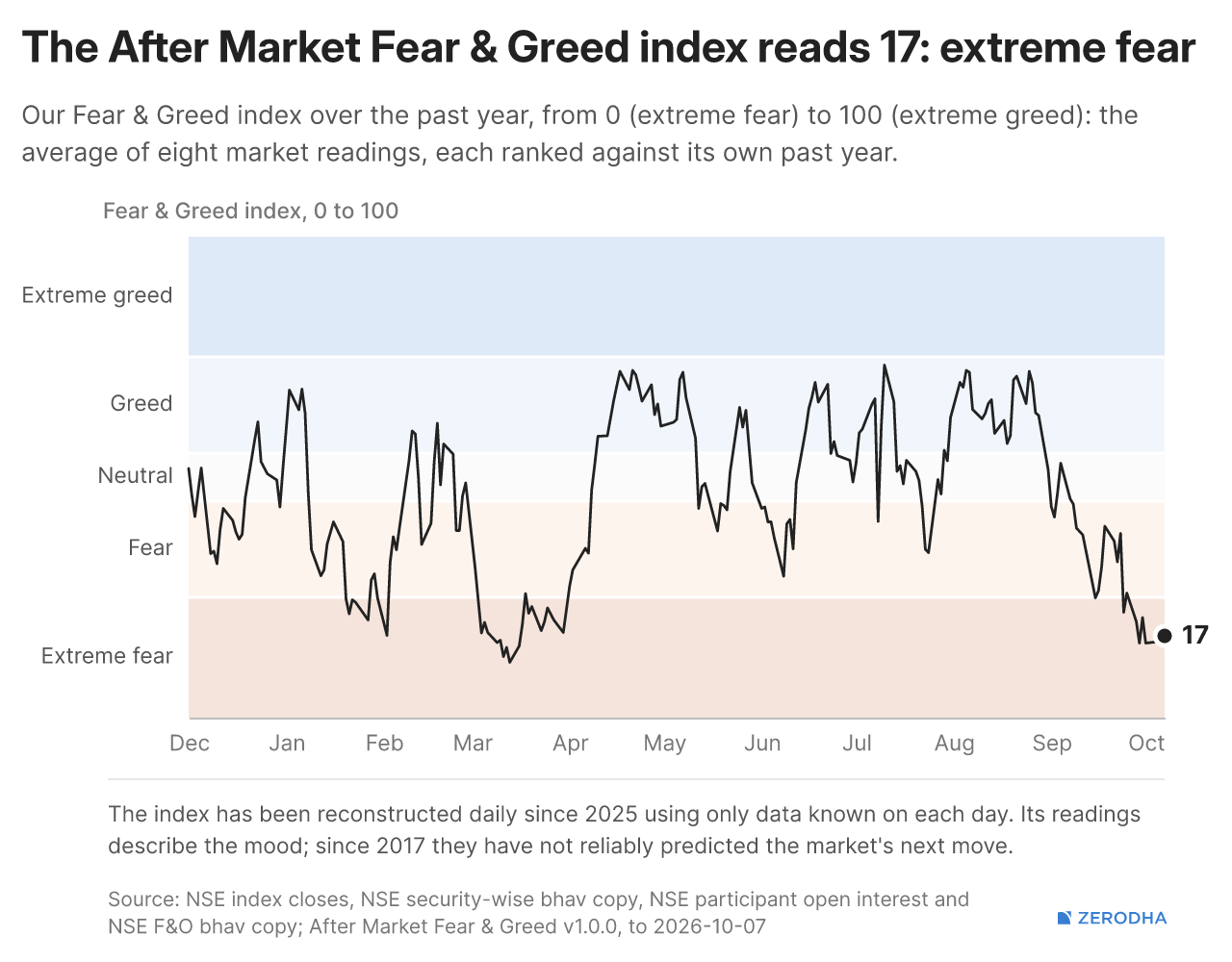
Fear & Greed Index
The Fear & Greed Index slipped from 18 to 17, remaining in extreme fear. Weak market trends, bonds outperforming equities, and relatively elevated volatility continue to weigh on sentiment.
Market Breadth
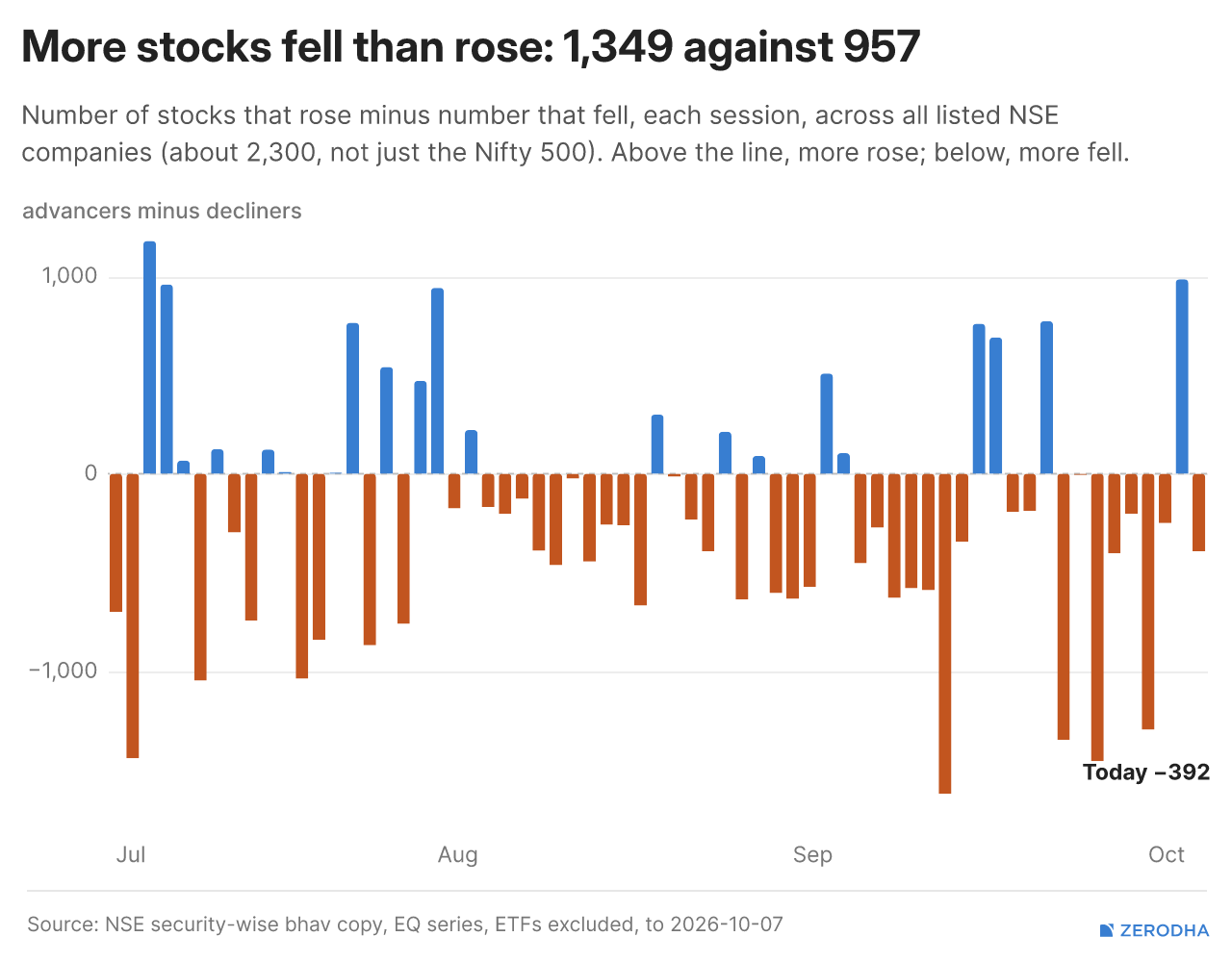
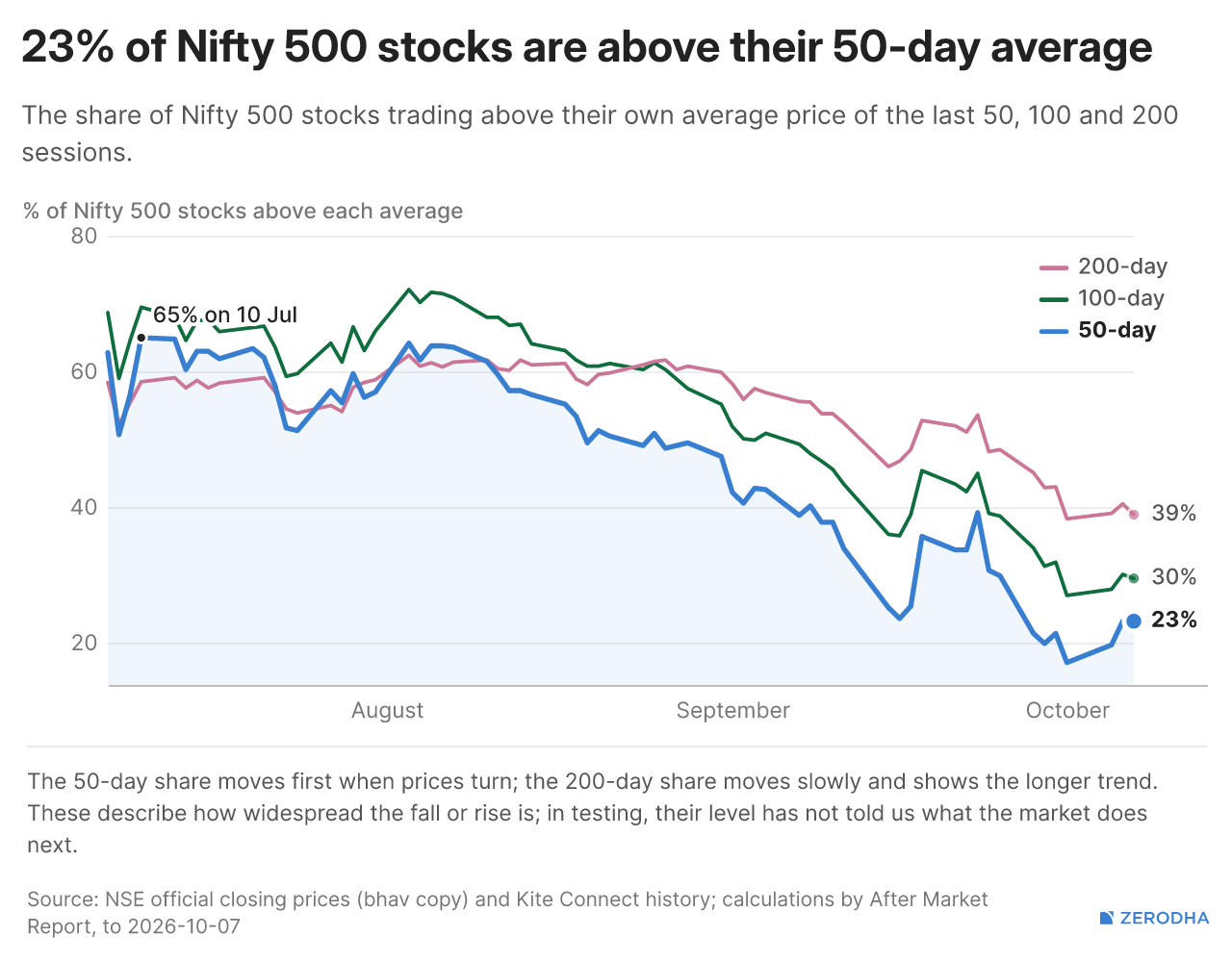
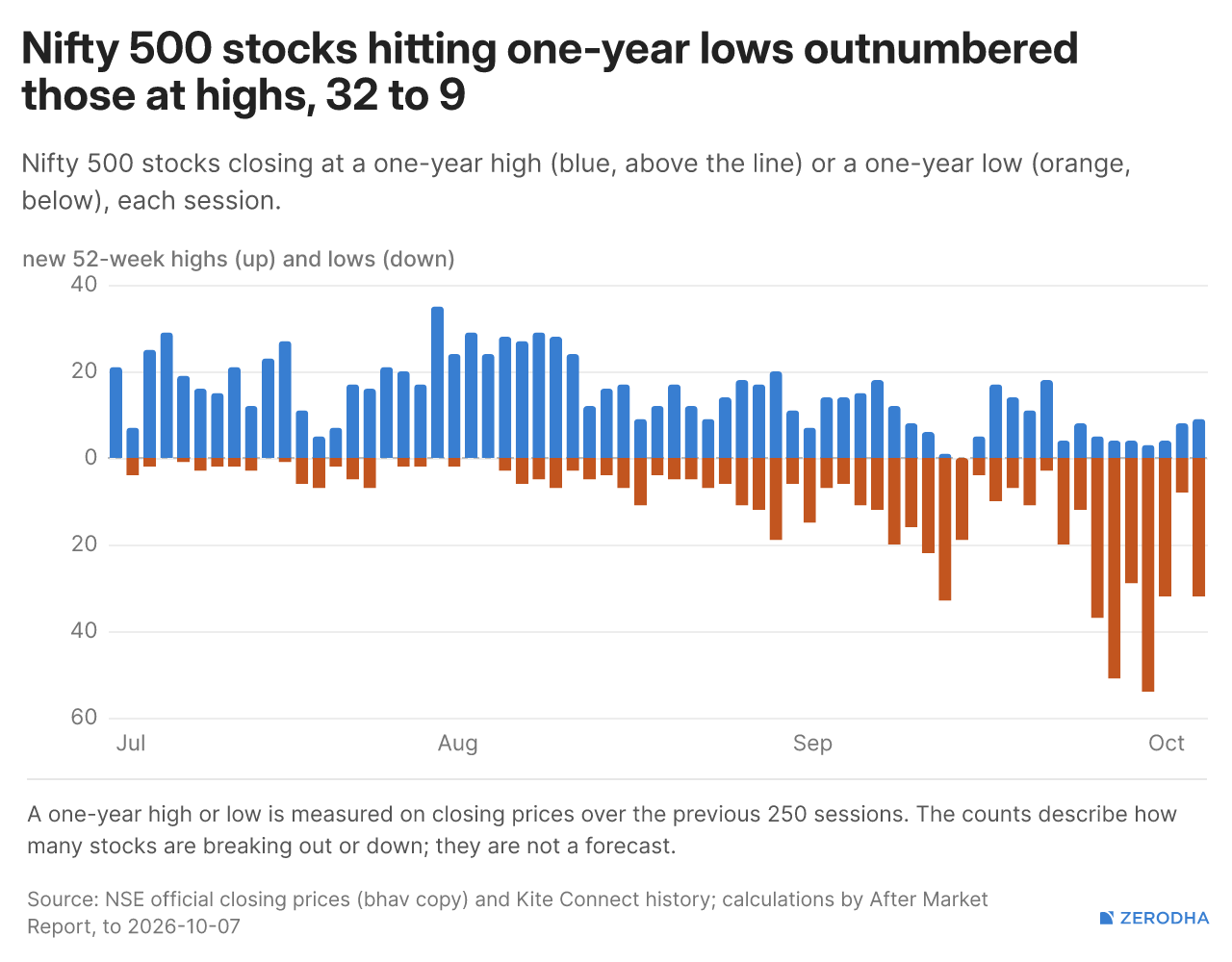
Breadth was weak with 957 advancers versus 1,349 decliners, while just 23.3% of Nifty 500 stocks remain above their 50-day average. New 52-week lows outnumbered highs 32 to 9, pointing to continued underlying weakness.
52 Week Highs & Lows
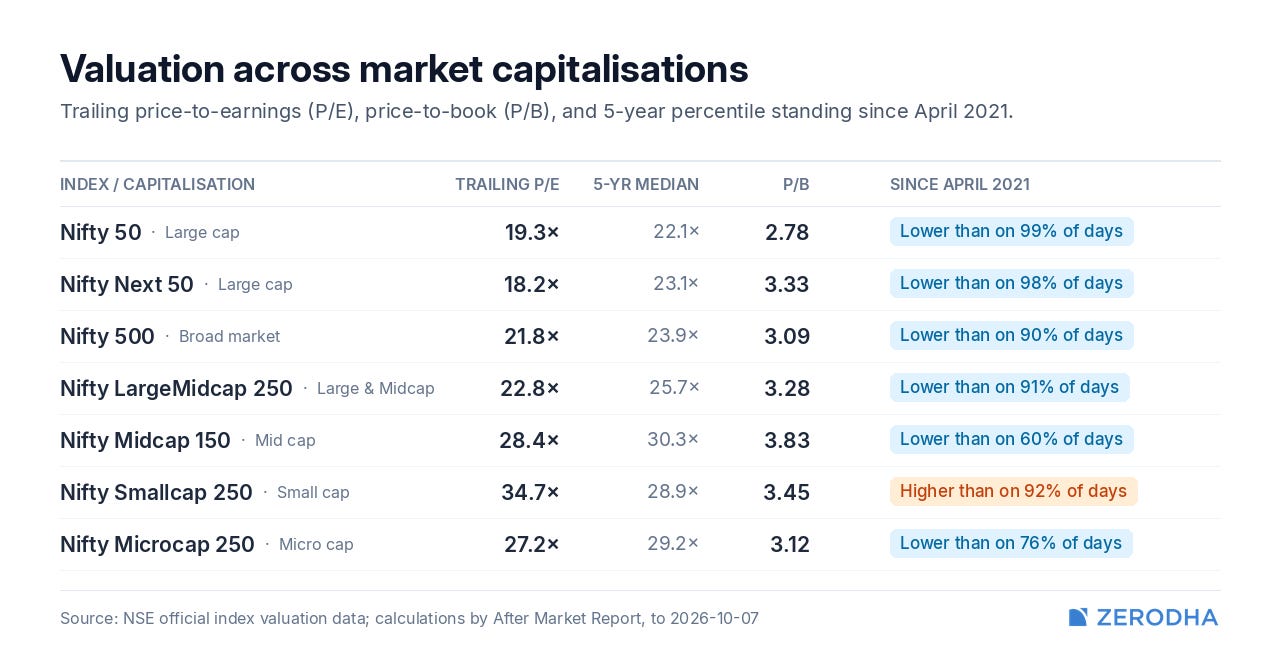
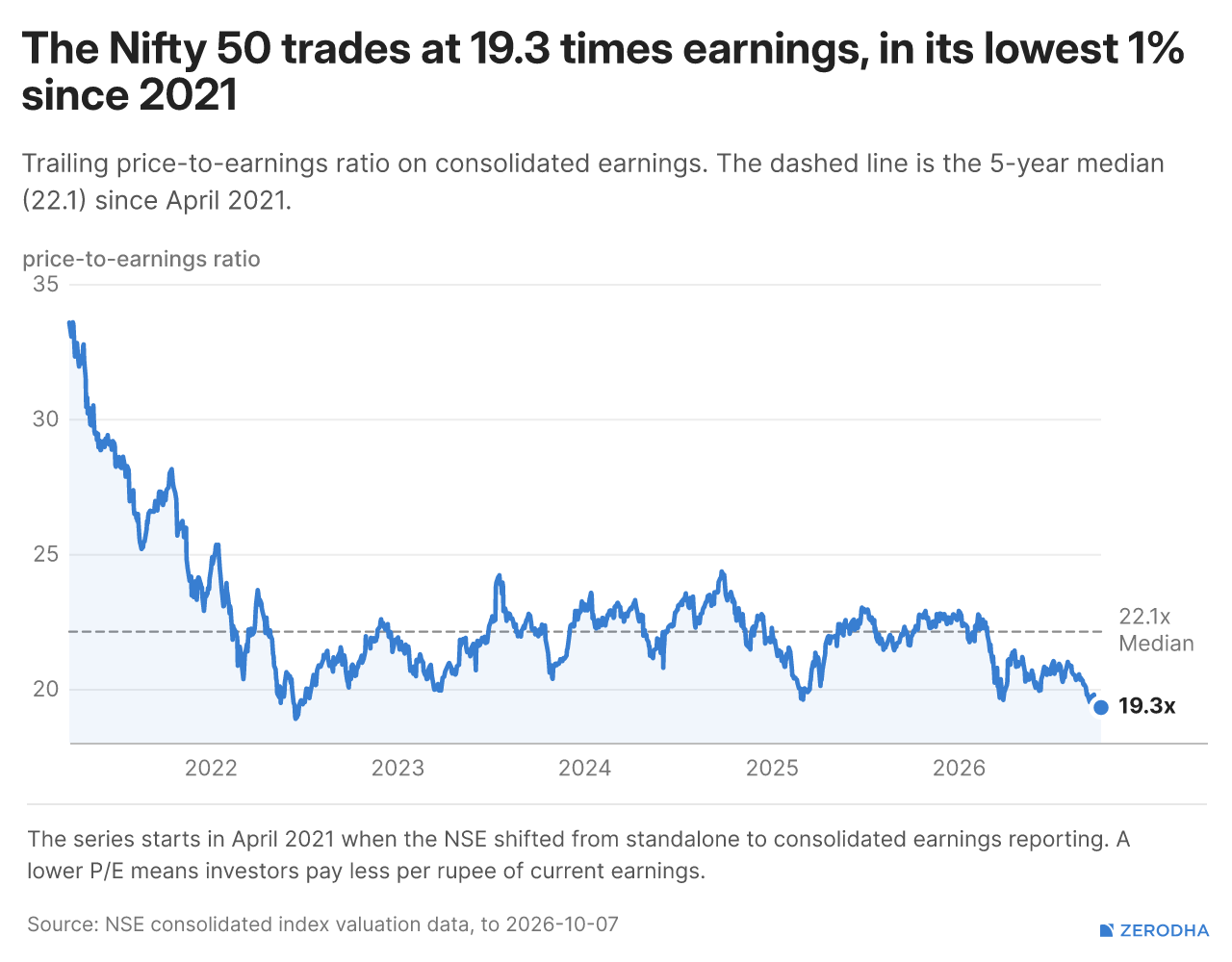
Valuation Check
Sectoral Indices Performance
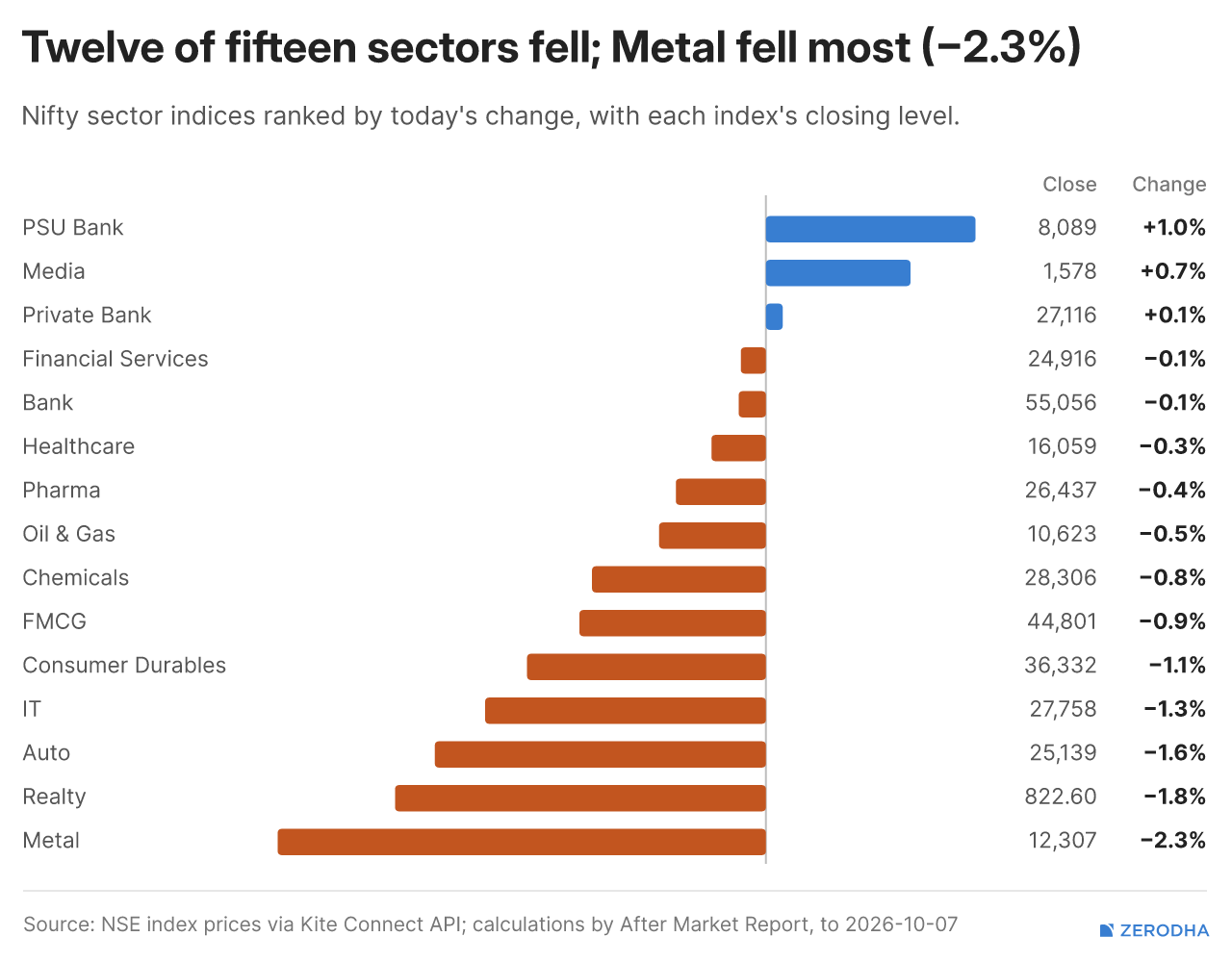
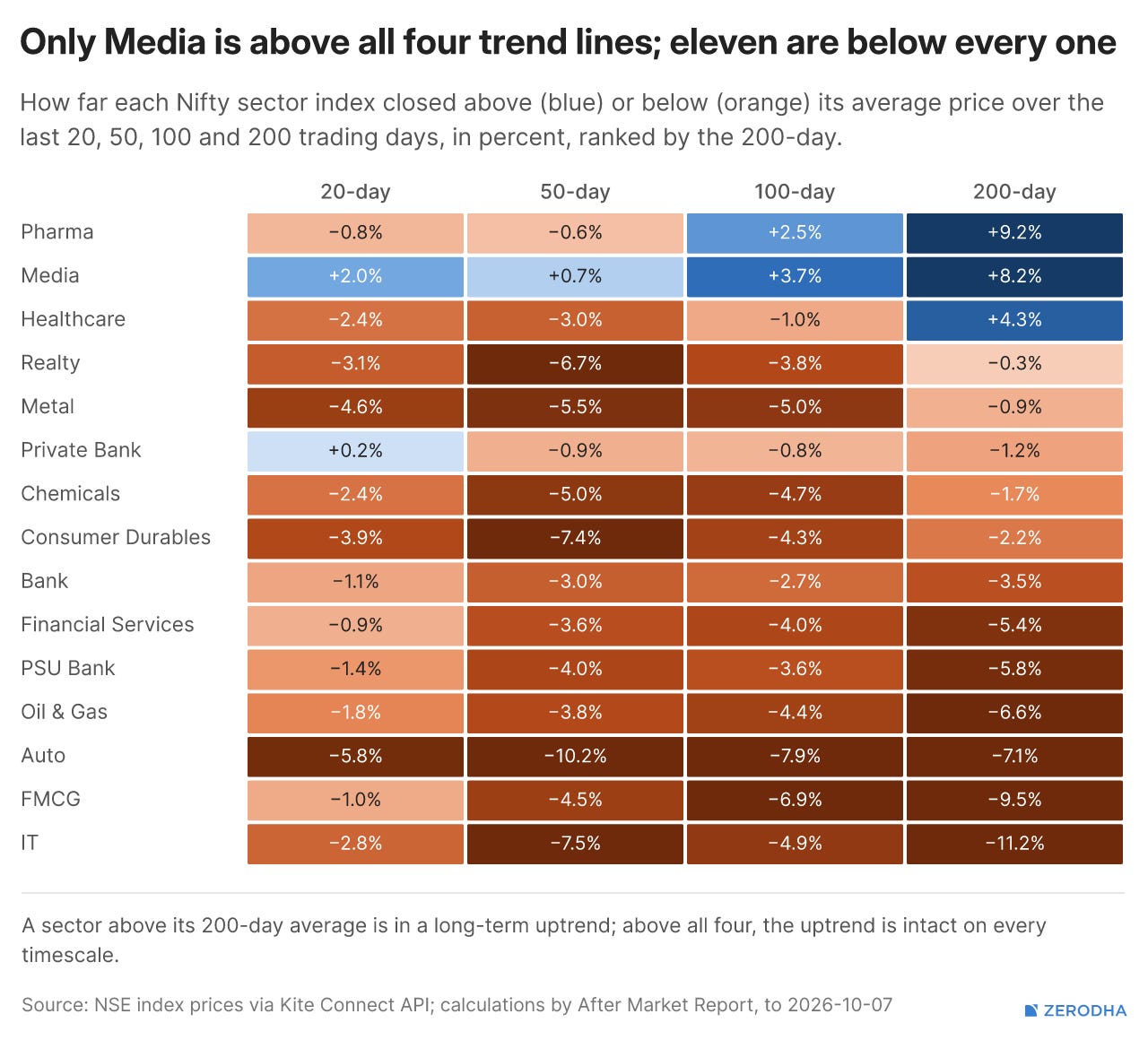
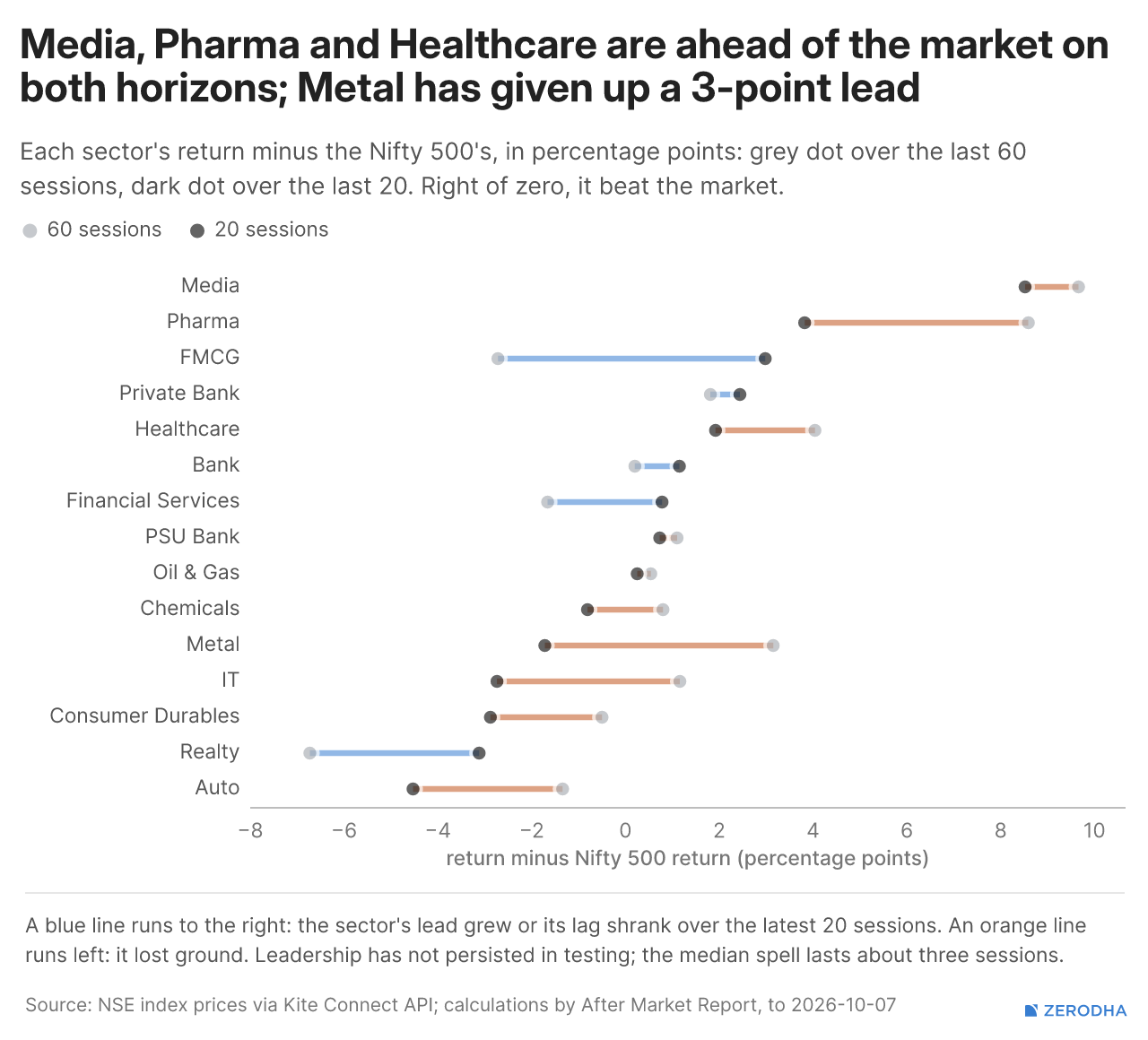
PSU Banks gained 1% to lead while Metals fell 2.33%, with only three of 15 sectors advancing. Media, Pharma and Healthcare remain the relative leaders over both 20 and 60 sessions, with Media the only sector above all four key moving averages.
Winners & Losers
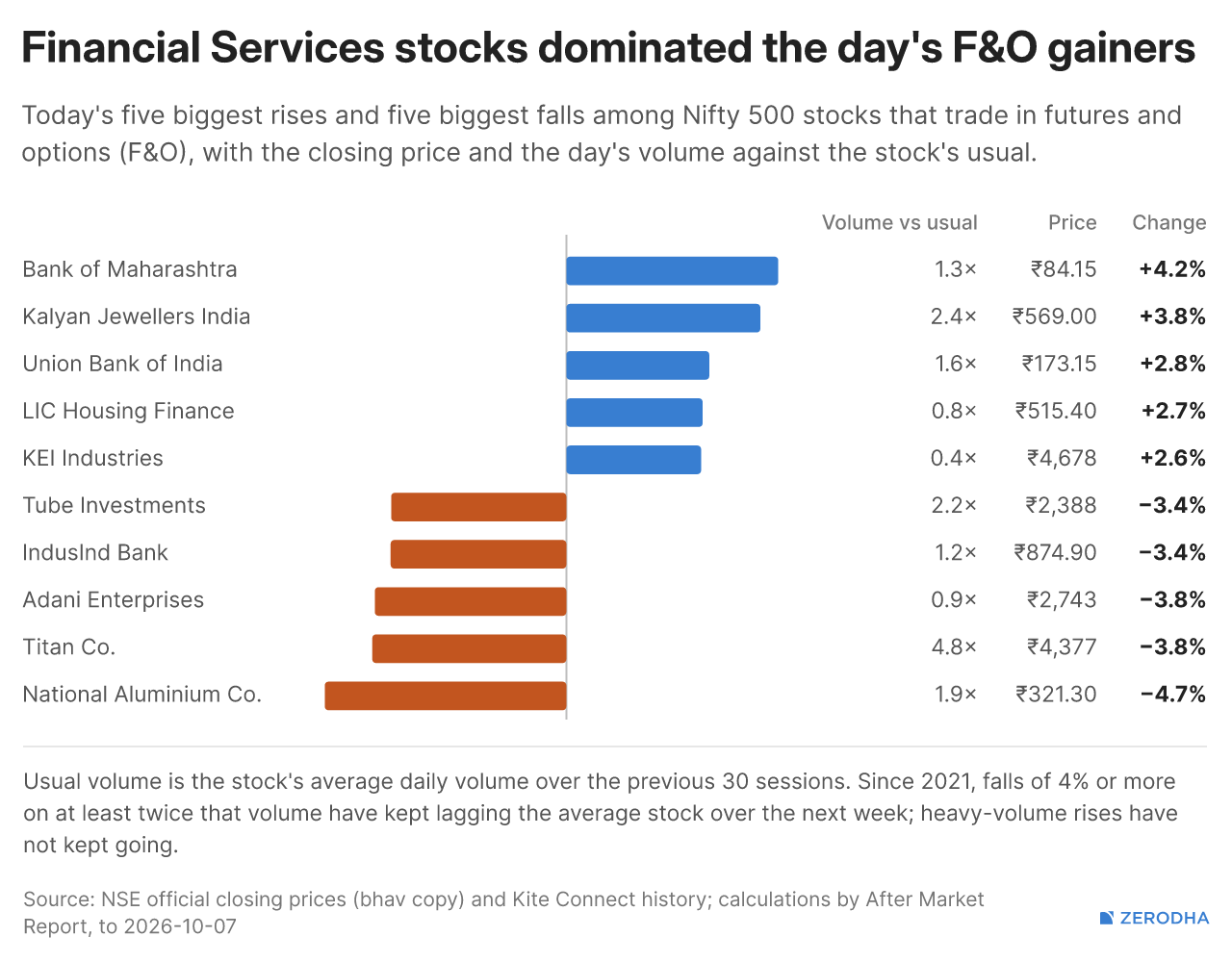
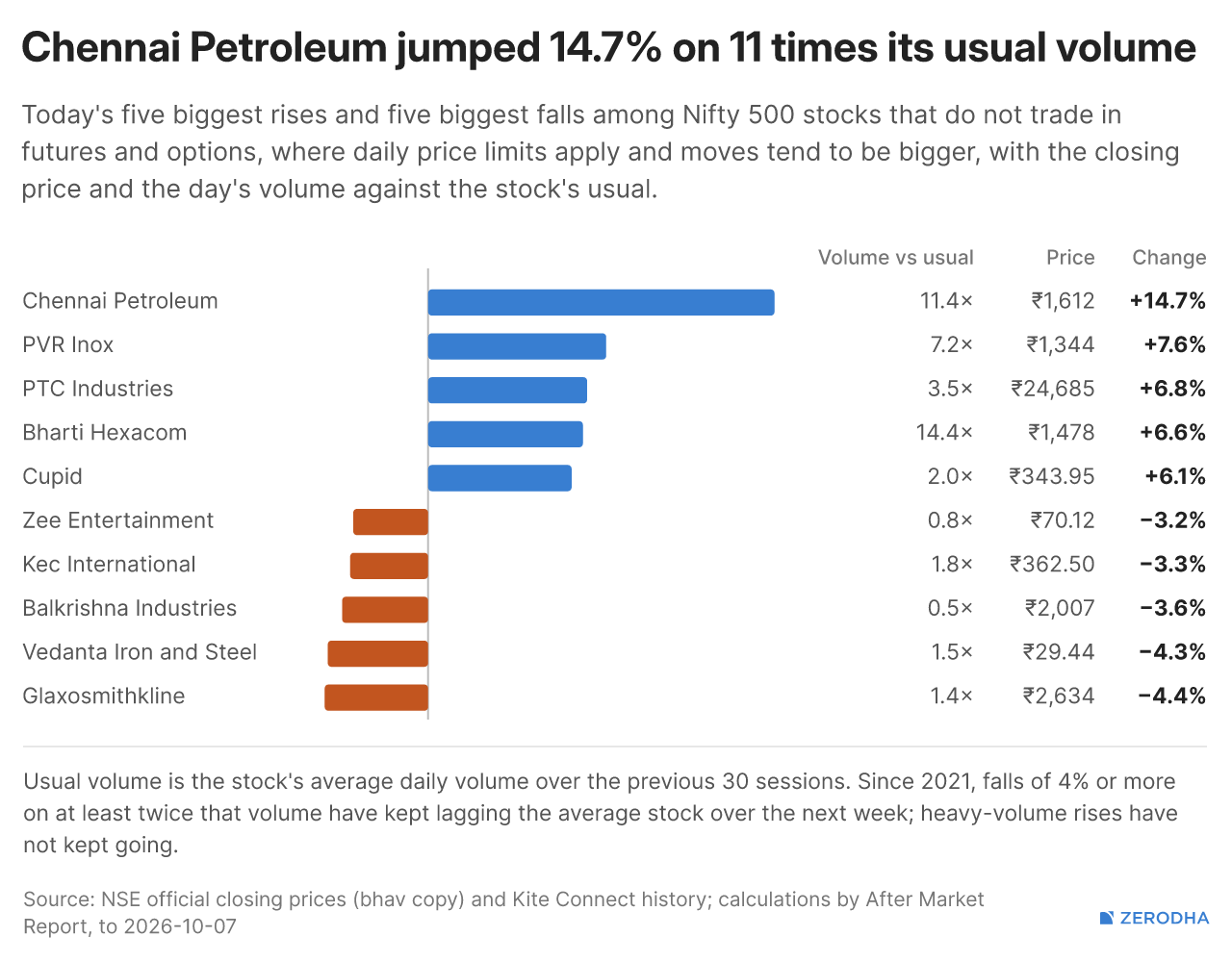
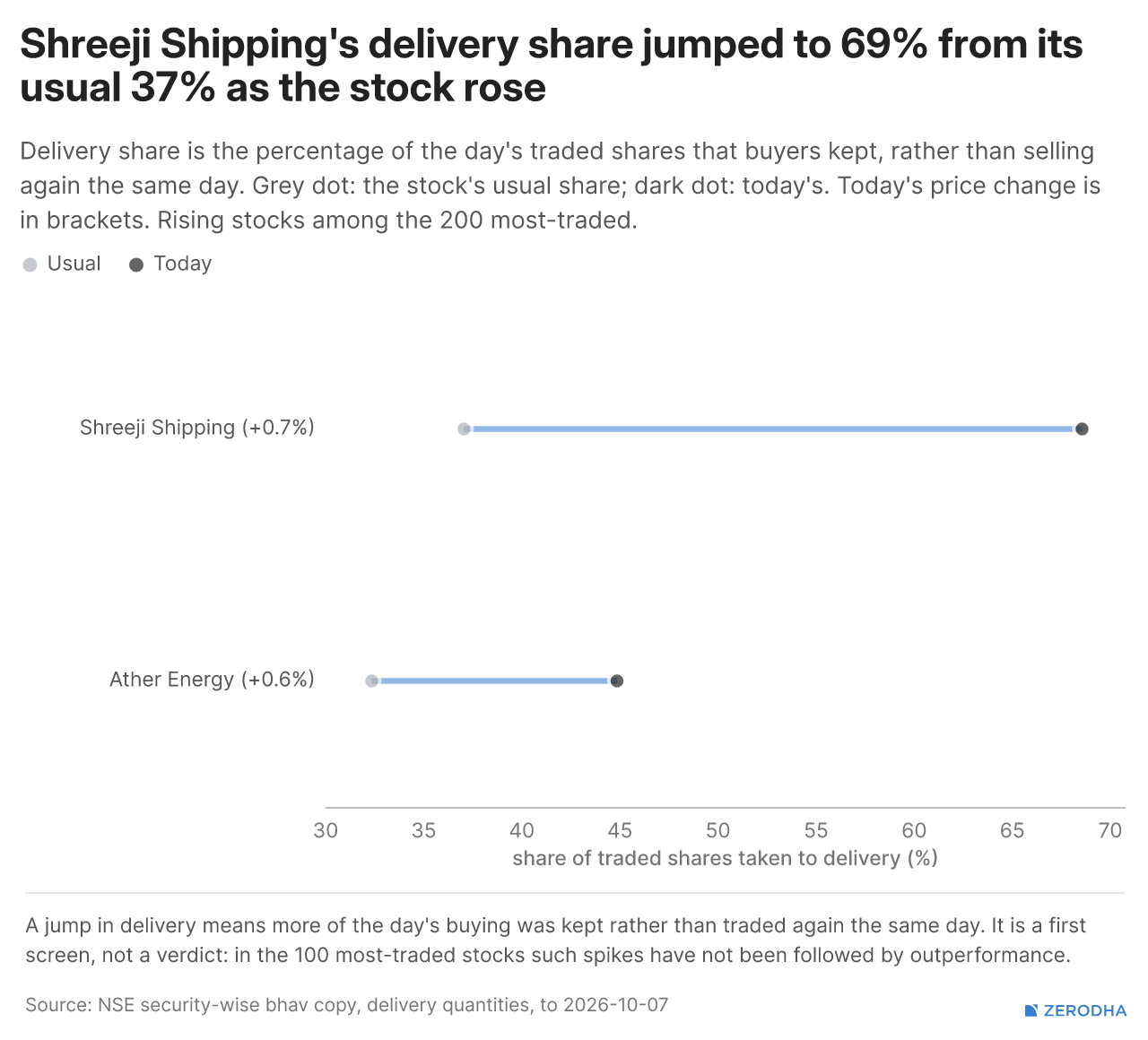
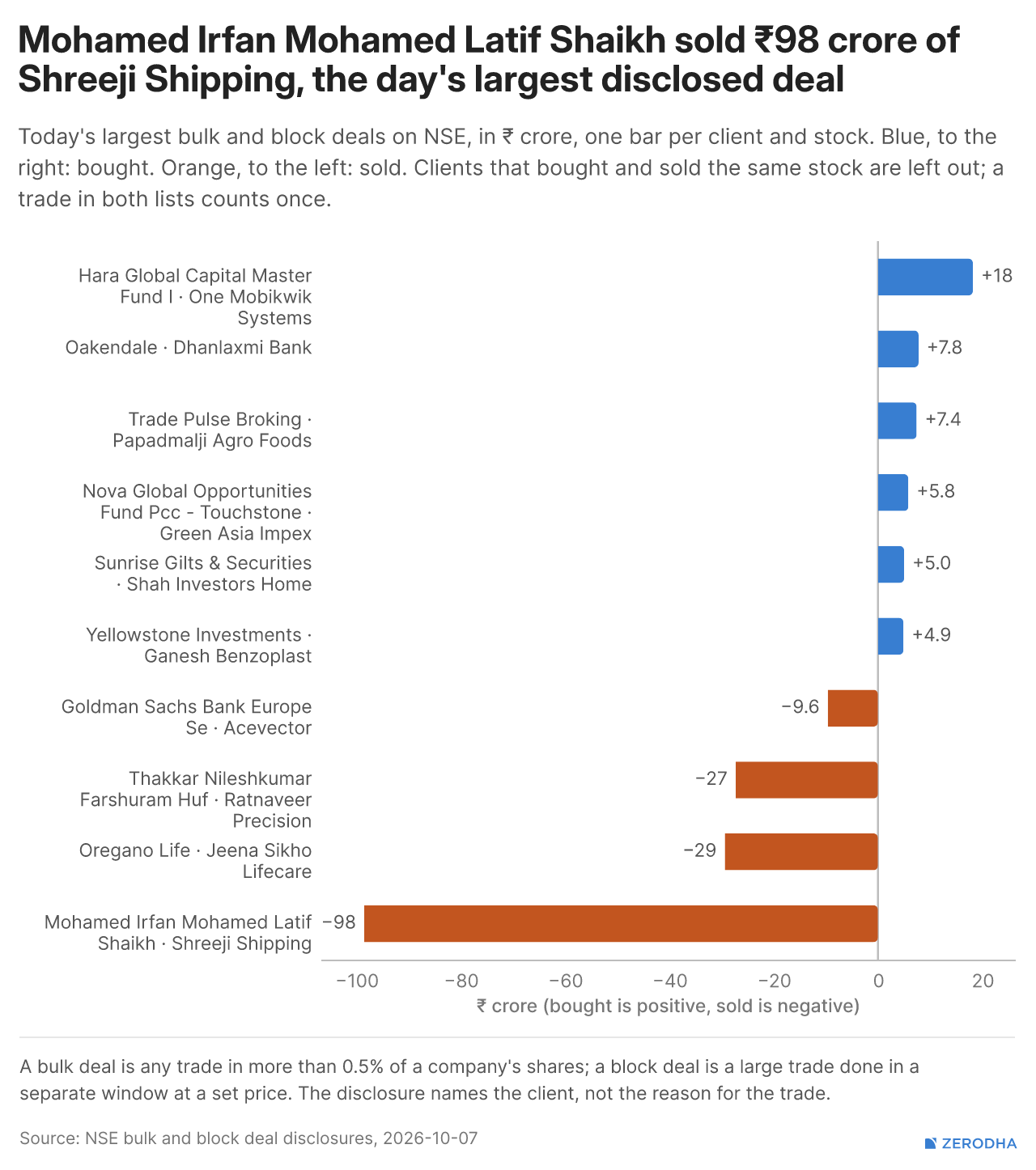
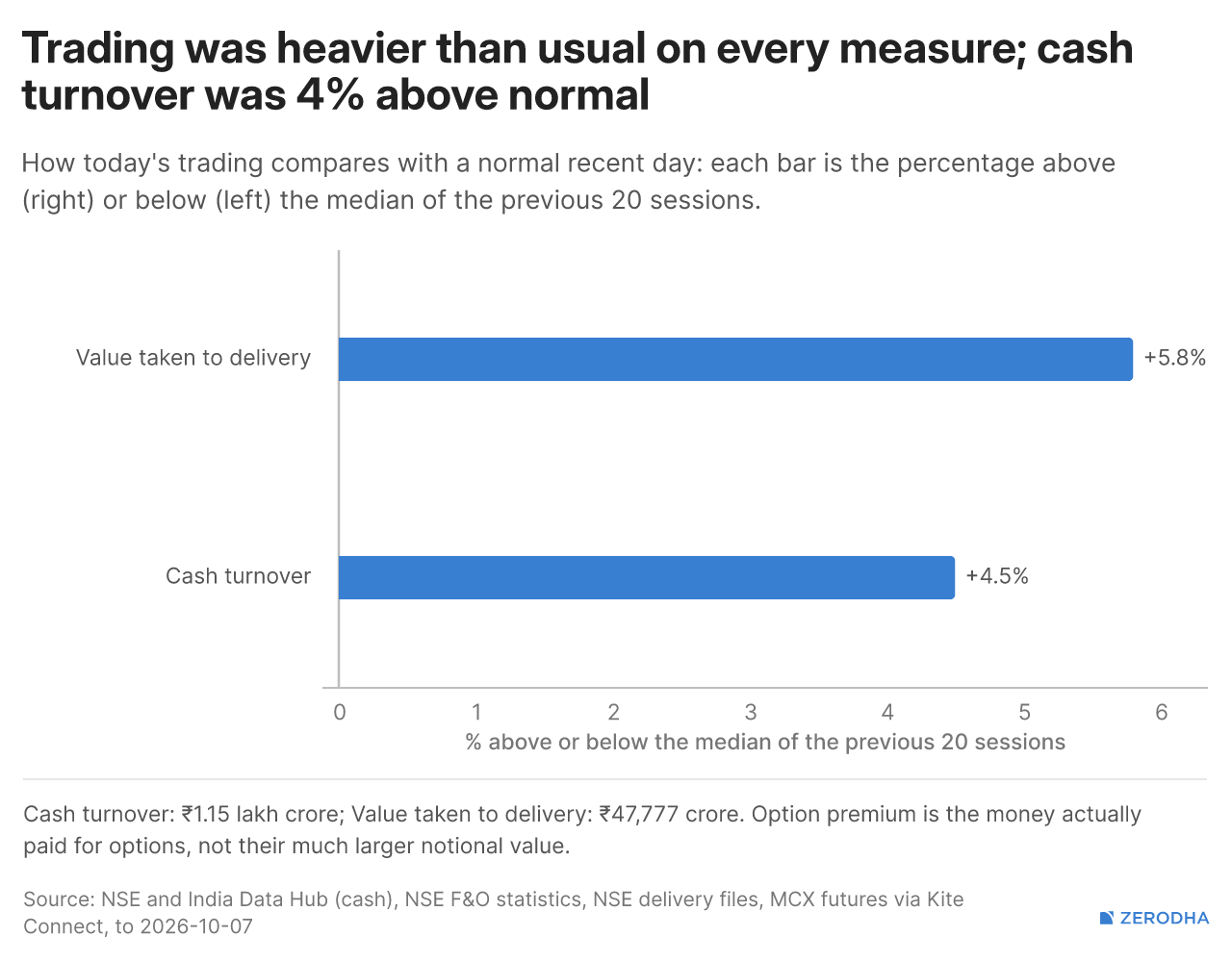
Chennai Petroleum surged 14.7% on 11× usual volume, while Bharti Hexacom and PVR Inox also saw sharp high-volume gains. Shreeji Shipping recorded the biggest delivery spike, while NALCO was the weakest F&O stock, down 4.73%.
Delivery Data
Global Markets
Commodities
Institutional Flows & Participant Positioning
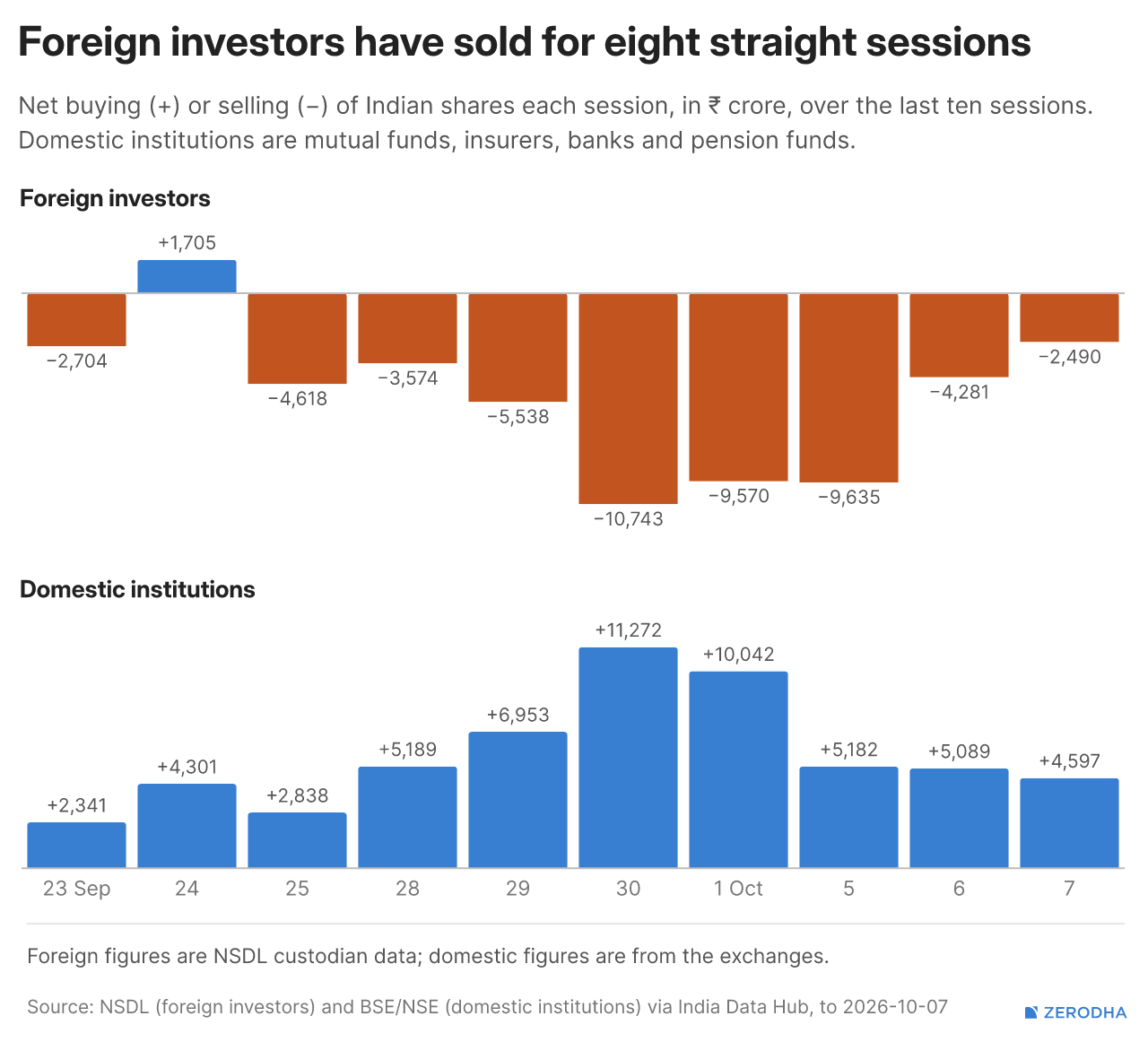
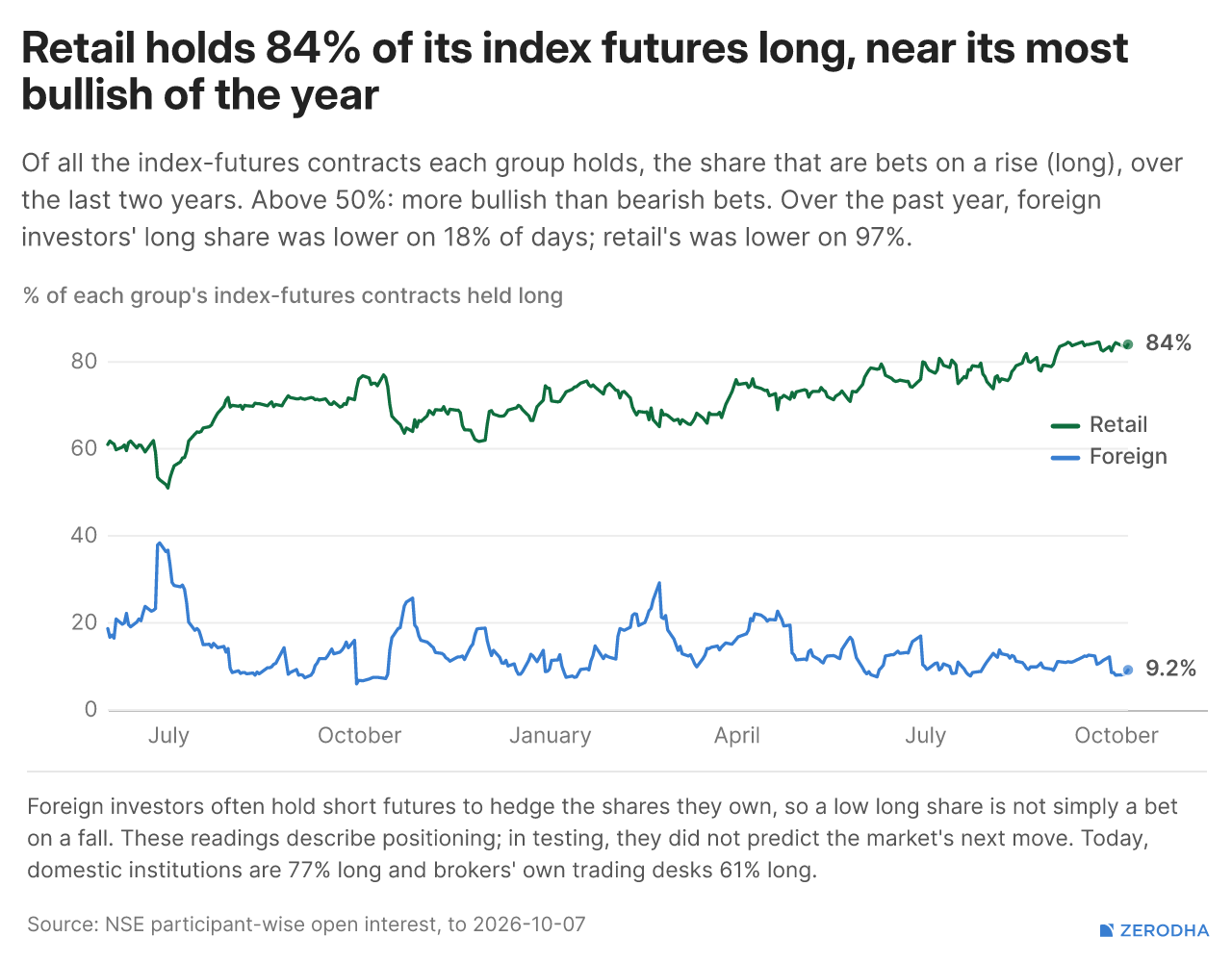
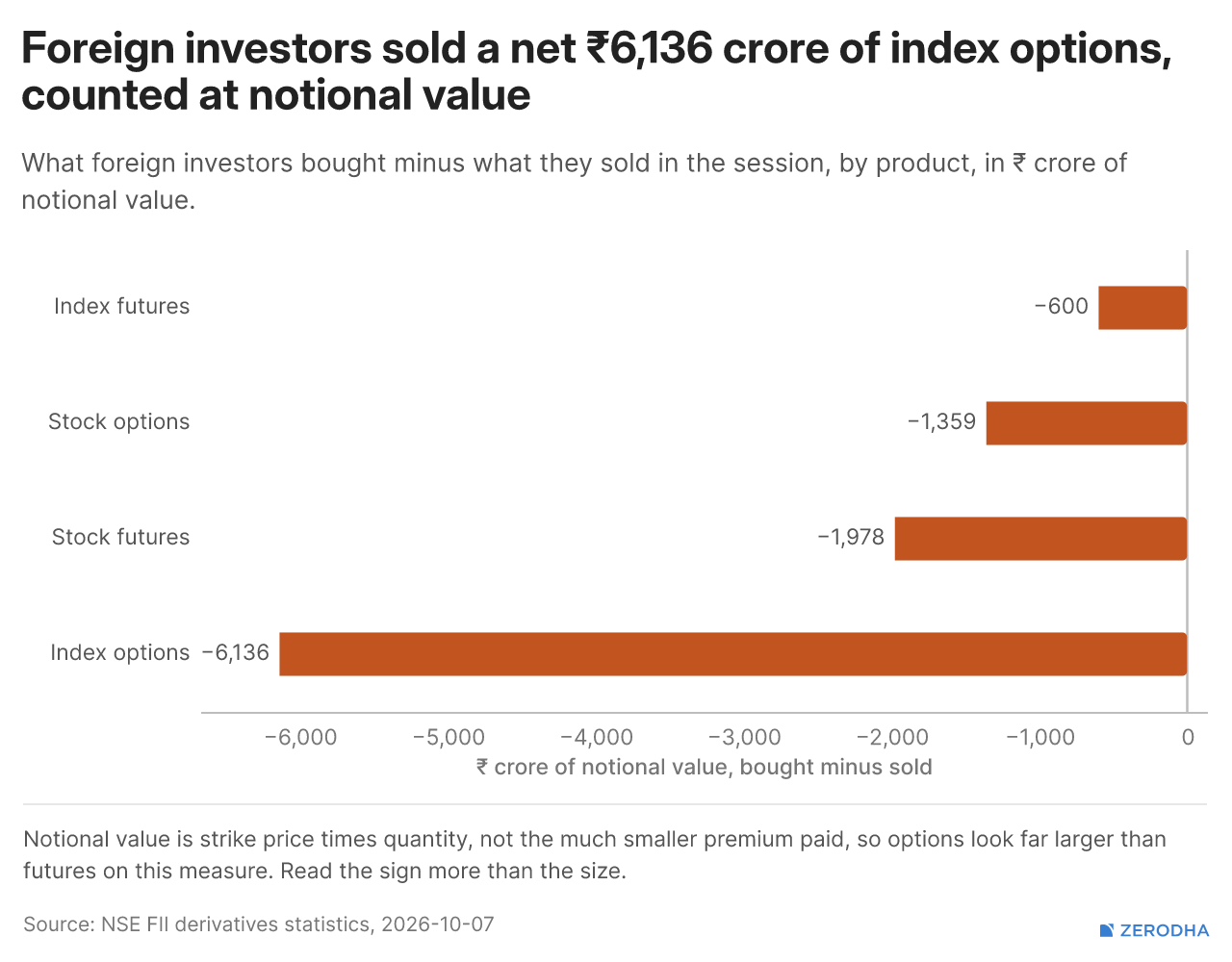
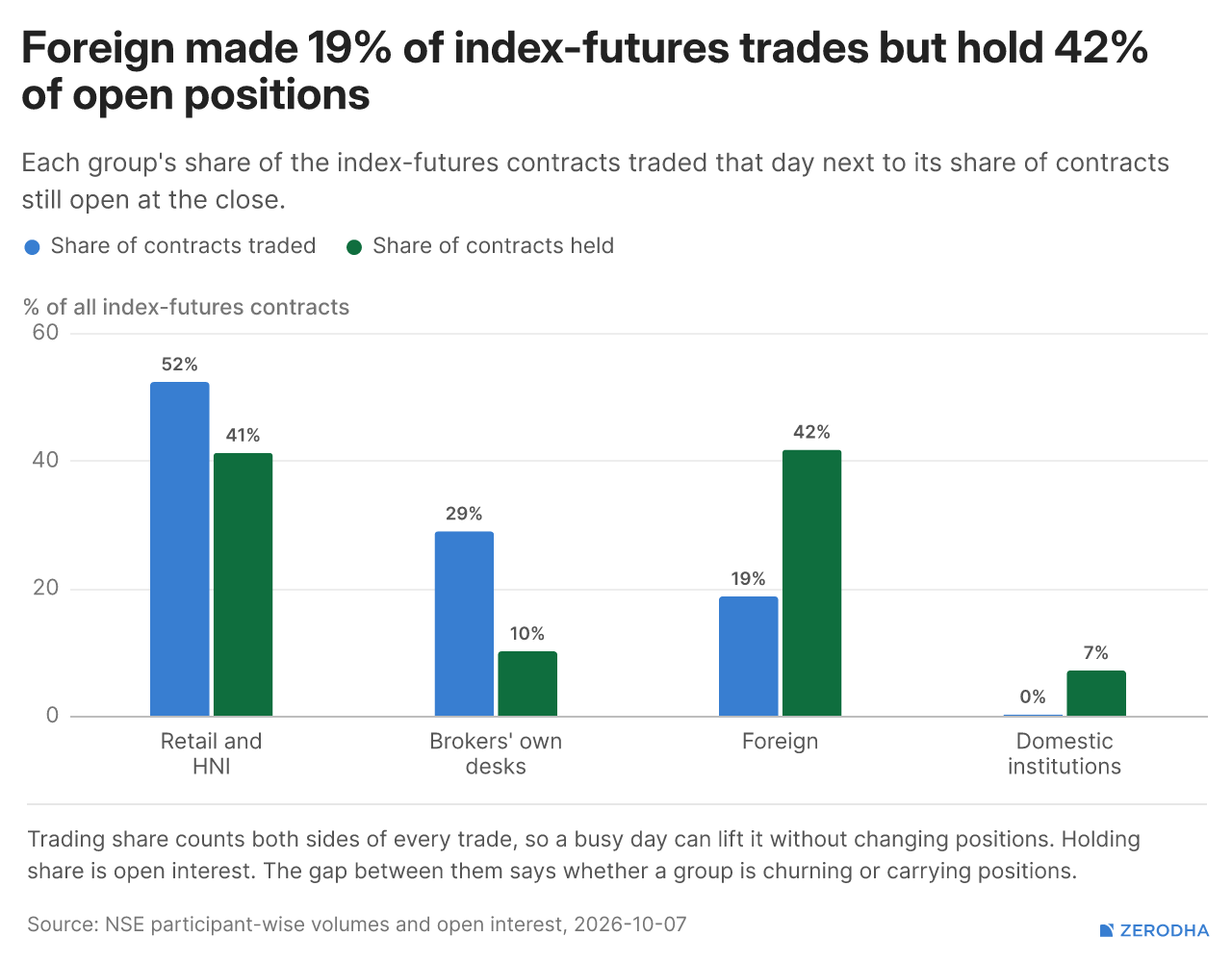
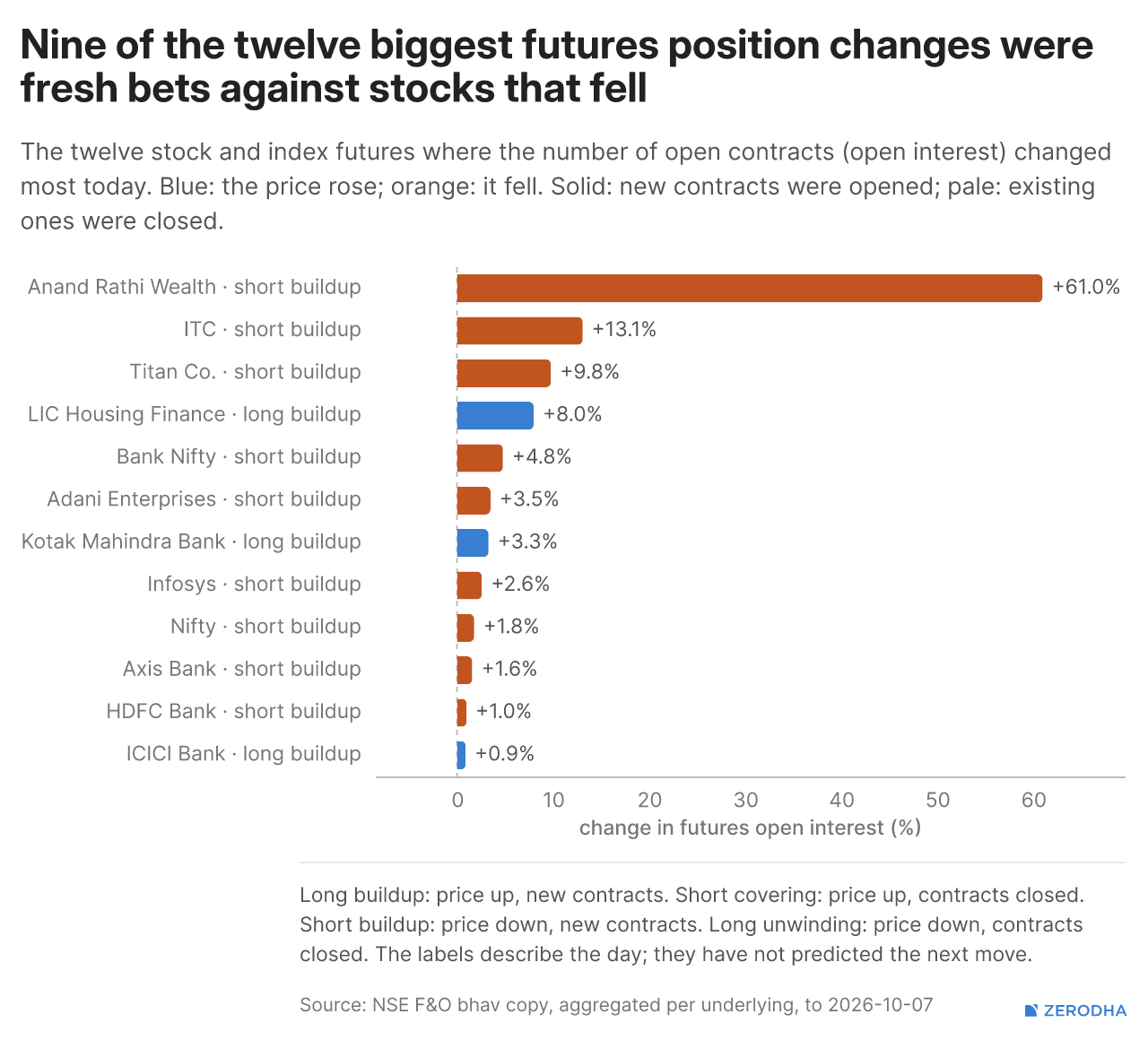
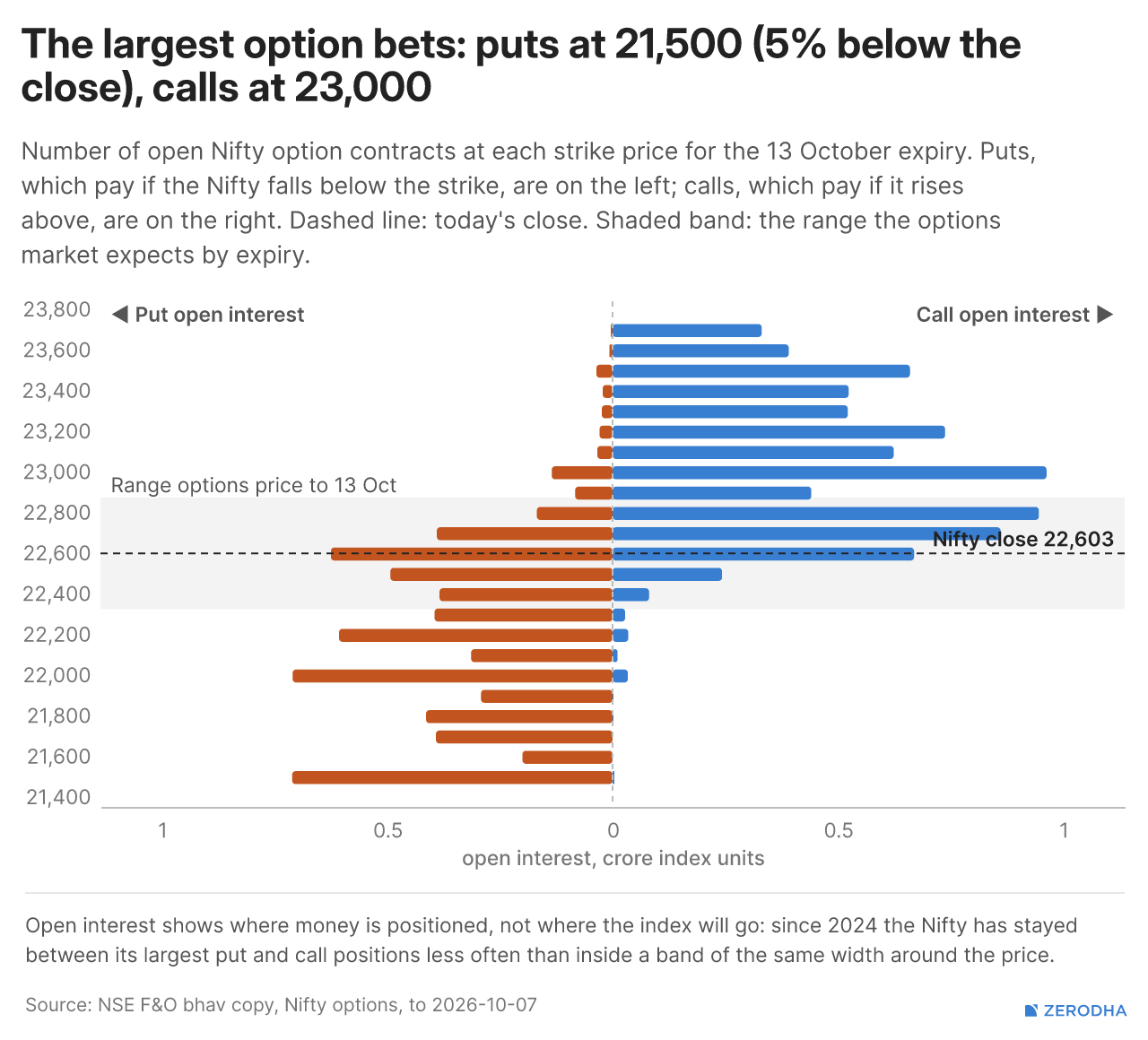
Call writers turned more active, pulling the PCR down sharply from 1.24 to 0.89. FIIs remain heavily bearish with just 9.2% of index-futures positions long, while retail and HNIs are 84% long, near their most bullish positioning of the past year; nine of the 12 largest stock-futures OI moves were short buildups.
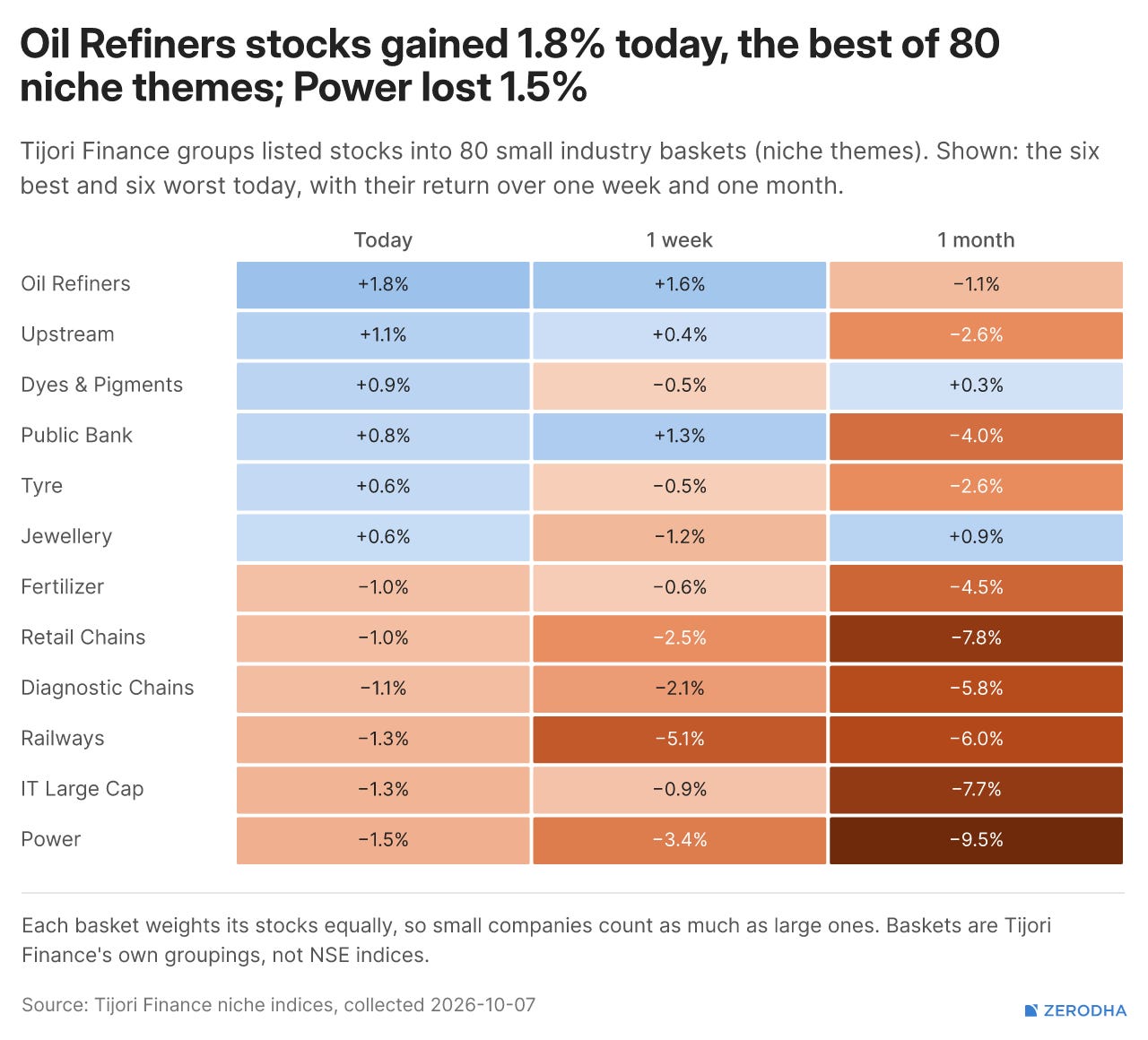
Thematic Indices
Tijori’s niche indices, where today’s move sorts pockets of the market beyond standard sector baskets. You can also track promoter buying and other interesting stuff, like Capex activity by the companies in the Tijori App’s idea dashboard
F&O Corner

Top Stories in India
The RBI MPC raised the repo rate by 25 bps to 5.50% and shifted its stance from neutral to ‘calibrated tightening’. The RBI cited renewed West Asia tensions and volatile crude prices, while maintaining that India’s domestic growth momentum remains resilient. Dive deeper
The rupee fell 35 paise to ₹96.78/$, nearing its record low of ₹96.98. RBI Governor Sanjay Malhotra said that despite the recent depreciation, several measures including the REER suggest the rupee may be undervalued, adding that short-term market movements may not reflect its underlying value. Dive deeper
Dixon Technologies has signed a JV agreement with Taiwan’s Gemtek to manufacture optical transceivers and other telecom products in India. Dixon will hold 60% of the venture, while Gemtek will own the remaining 40%. Dive deeper
L&T received an initial approval to build the main package of a 1,600 MW thermal power project in Jharkhand being developed by a DVC–Coal India joint venture. The notice to proceed will follow environmental clearances and completion of the initial project period. Dive deeper
Ola Electric received in-principle stock exchange approval for a rights issue of up to ₹1,000 crore. Its board will determine the issue price, entitlement ratio and other terms. Dive deeper
Top Stories Globally
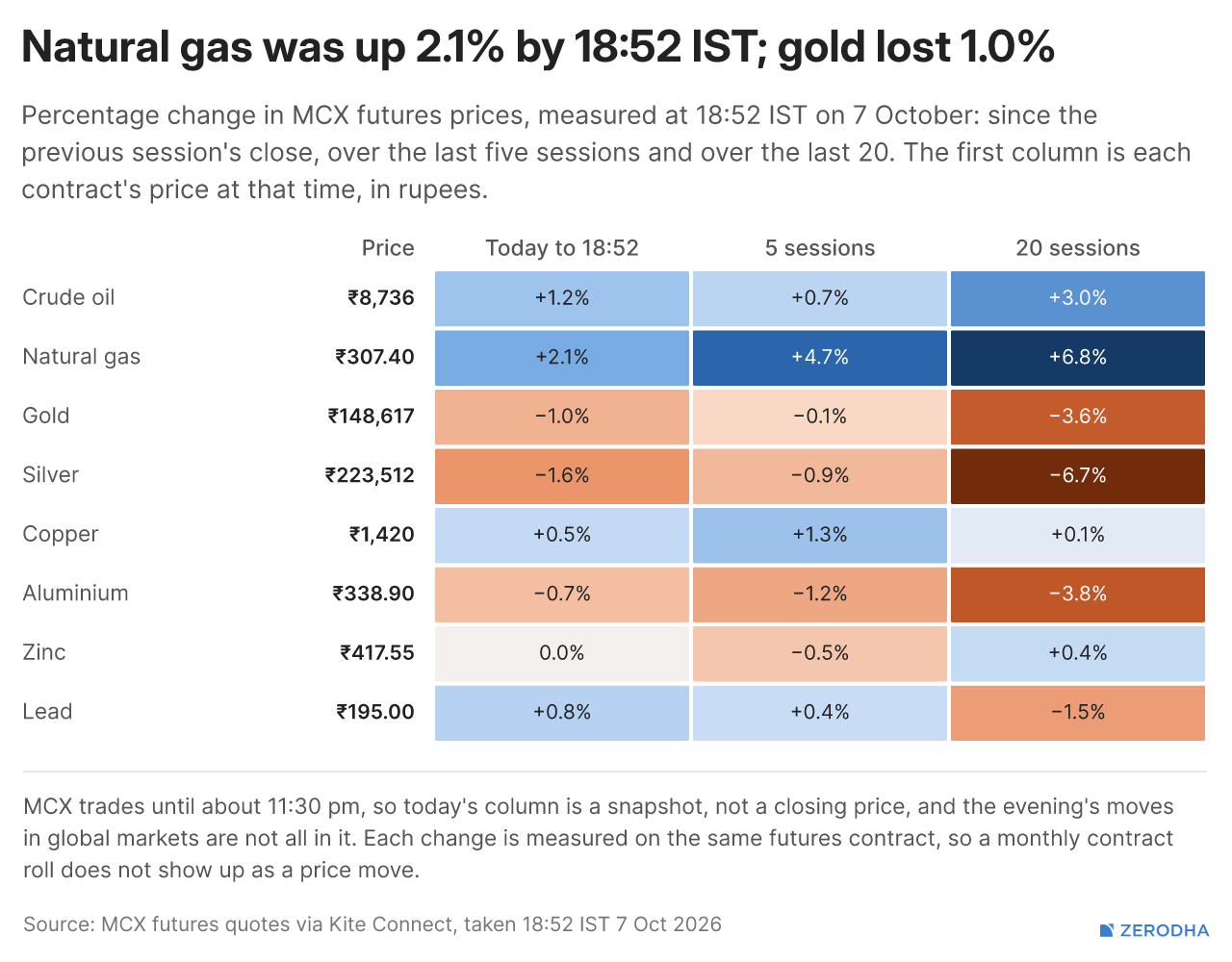
Crude oil rebounded toward $90 per barrel from five-week lows as renewed attacks on tankers in the Strait of Hormuz kept Middle East supply risks elevated, outweighing signs of improving regional supply. Dive deeper
The average US 30-year fixed mortgage rate jumped 19 bps to 7.49%, its highest in nearly three years, adding further pressure on housing affordability. Dive deeper
Uber agreed to acquire workplace catering platform ezCater for $2.3 billion in cash, expanding Uber Eats into corporate and group catering. ezCater generated more than $2.5 billion in gross bookings over the past year. Dive deeper
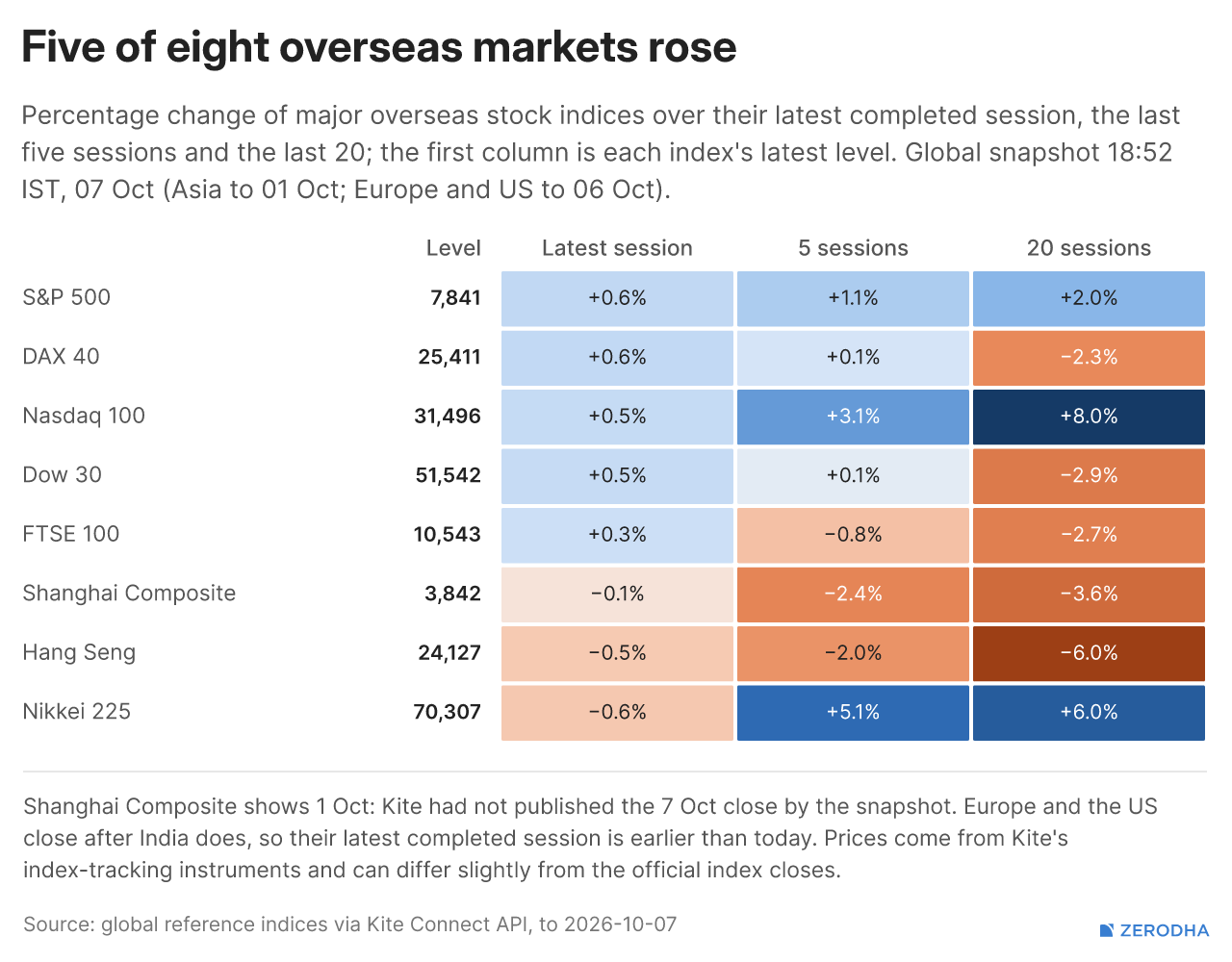
US stocks opened lower as rising oil prices and Treasury yields pressured equities. The 30-year Treasury yield climbed to 5.70%, its highest since 2002, while the 10-year yield rose to 5.32%. Dive deeper
The dollar index rose above 102.4, its highest since March 2025, as higher oil prices reinforced inflation concerns and expectations of tighter-for-longer Fed policy. Investors are also awaiting the latest FOMC minutes. Dive deeper
Management Chatter
In this section, we highlight interesting comments from management at major companies and from policymakers in the Indian and Global Economies.
Deputy Governor Swaminathan J said it typically takes around two quarters for the hikes to get transmitted to actual lending rates for end borrowings:
"Will it (credit growth) moderate going forward? I think it (credit growth) will continue to be strong. A few percentage points here and there should not really matter too much in the overall scheme of things,"
"Some moderation will occur relating to demand as well as rate (hike) together. But the moderation from 18 to 20 per cent (credit growth) is not bad and will be adequate enough to support growth," - Link
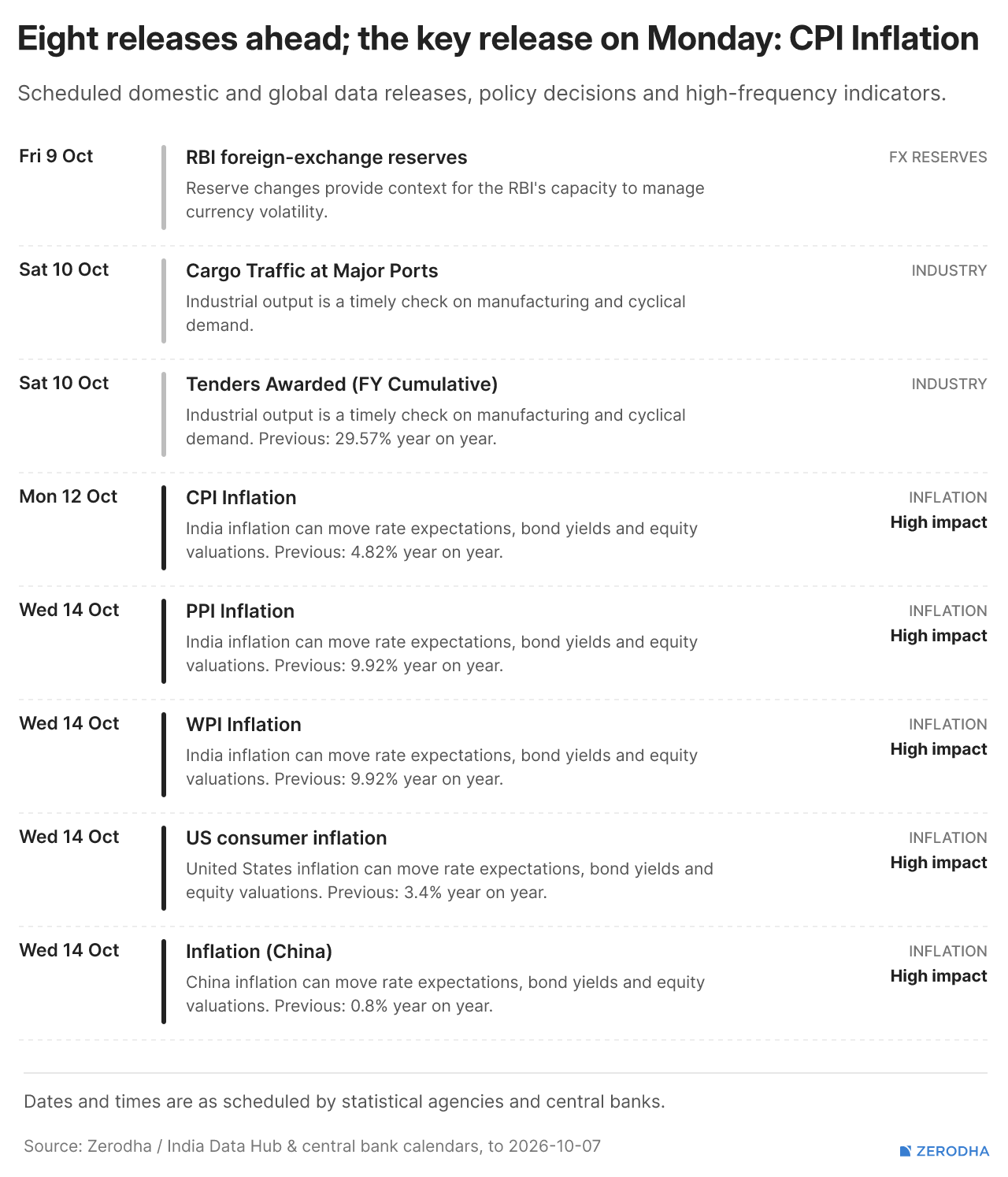
The week ahead & Corporate Actions
Corporate Actions
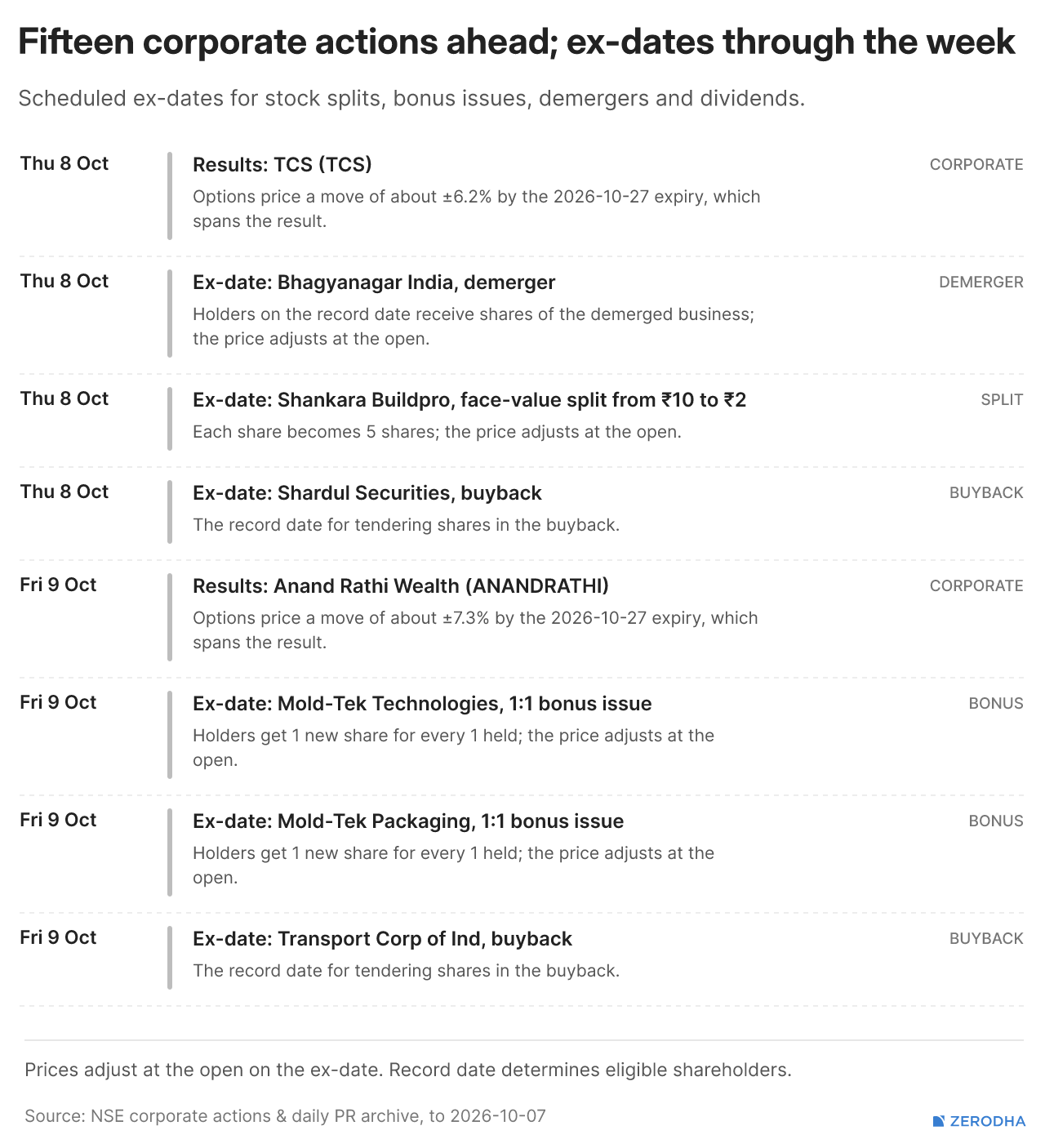
Published by Zerodha. Not investment advice. Data from NSE, BSE, and MCX.
In our latest episode of In The Money by Zerodha, we start with how covered calls are pitched to investors, as a way to earn “free money” on stocks you already own, and why even Fischer Black, co-creator of the Black-Scholes formula, was skeptical of the idea.
We then look at the strategy's history, how brokers sold it over the decades, and what a behavioral study of Dutch investors revealed about why people find it attractive in theory but less so when they see the payoff.
The episode breaks down the mechanics of a covered call with real numbers, what happens when the stock falls, stays flat, or rallies, and why the strategy has a capped upside but nearly full downside.
Finally, we backtest 10 of the most liquid large-cap Indian stocks from January 2022 onward, selling a 5% out-of-the-money call every month, and compare the results stock by stock to see whether covered calls add value to a buy-and-hold portfolio in India.
That’s it from us for today. We’d love to hear your feedback in the comments, and feel free to share this with your friends to spread the word!
Surprisingly, Nifty50 was trading higher three months later, after 5 of the 6 rate hikes. Read full article here
https://substack.com/@mindovermoneyedu/note/p-219449437?r=1rt0wf